Knowing what a professional Junk Removal company can take helps customers in Ontario plan a cleanout safely and avoid rejected items or surprise disposal fees. Most crews handle common household clutter, furniture, appliances, yard debris, and selected renovation materials, but every provider follows weight limits, facility rules, and safety requirements. Knowing these details before scheduling also helps customers compare complete services instead of relying on a single advertised claim.
The details matter because a mixed pile may contain ordinary trash beside chemicals, batteries, fuel, paint, or other materials that need specialized handling. This guide explains the categories that are commonly accepted, the items that may require advance approval, and the substances that should never be hidden inside a load. Preparing an accurate inventory helps the crew arrive with the right vehicle, labor, and disposal plan.
Common Household Items Usually Accepted
Typical household loads include boxes, clothing, toys, books, rugs, decorations, dishes, small tools, and general clutter from closets, garages, attics, or storage rooms. These items are generally straightforward when they are dry, nonhazardous, and packed in a way that can be carried safely.
Loose objects should be boxed or bagged when possible, but sharp items require secure wrapping. Customers should separate anything containing liquids, chemicals, or unknown substances. A clear pile makes the removal faster and reduces the chance that an unsafe item is loaded by mistake.
Before booking, ask the provider to explain how this part of the project is handled, what information is required, and whether it changes the quoted scope. Written details make the service easier to compare and reduce assumptions on appointment day.
Furniture and Bulky Household Goods
Couches, chairs, tables, dressers, bed frames, shelving, cabinets, and other furniture are commonly removed. Large pieces may need disassembly to pass through doors or stairways. Customers should mention oversized dimensions, narrow hallways, and upper floors before scheduling.
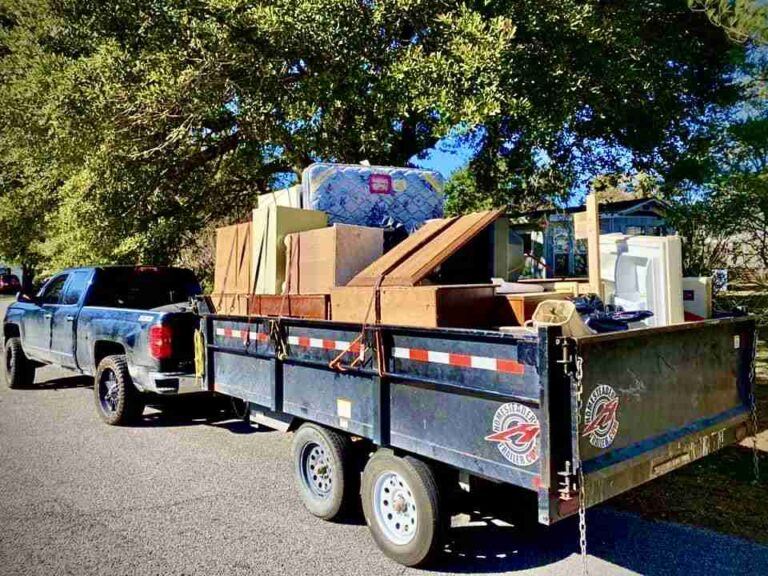
Professional Junk Removal can be especially useful for bulky furniture because the crew handles approved lifting and carrying. Mattresses and box springs may involve special facility charges, so they should be listed separately when requesting an estimate.
Photos, measurements, and honest descriptions are especially useful when the property contains unusual materials or limited access. These details help the company select appropriate labor, equipment, vehicle capacity, and disposal routes before arriving.
Appliances and Electronic Equipment
Washers, dryers, stoves, dishwashers, microwaves, and many small appliances may be accepted after they are disconnected. Refrigerators, freezers, and air conditioners can require refrigerant handling or special recycling, while televisions and monitors may have electronic-waste fees.
Gas, water, and hardwired electrical connections should be handled safely before pickup. Customers should never conceal batteries, leaking equipment, or fuel-powered machines inside a general load. Photos and model information help the provider identify special requirements.
For properties in Ontario, access conditions should be reviewed early rather than after the crew or equipment reaches the site. Parking, gates, elevators, overhead clearance, surface strength, and building rules can all affect safe service.
Yard Waste and Outdoor Materials
Branches, brush, leaves, grass, small logs, fencing, planters, patio furniture, and garden materials may be removed depending on local disposal options. Soil, stone, wet vegetation, and large stumps can become extremely heavy and may need a separate rate or container.
Outdoor projects in Ontario should be described by material type and approximate volume. Treated lumber, railroad ties, and pressure-treated structures may follow different disposal rules. Keeping yard debris separate from household clutter can make the load easier to process.
Planning this step before the deadline leaves time to correct missing information, separate restricted items, or choose another service model. Last-minute decisions are more likely to create delays, added labor, and preventable charges.
Renovation and Construction Debris
Many providers accept drywall, lumber, cabinets, doors, trim, flooring, fixtures, and light demolition debris. Nails and sharp edges should remain contained. Dense materials such as concrete, brick, tile, plaster, dirt, and roofing shingles may be restricted by weight.
Construction loads should never be estimated only by visual size. A low pile can weigh several tons. Customers should explain whether the debris is mixed or separated because clean concrete, roofing material, and general construction waste may go to different facilities.
Customers should request any material restrictions, limits, or special fees in writing. A clear record supports fair comparisons and provides a reference if the project changes after the original estimate or scheduling conversation.
Items That May Need Advance Approval
Mattresses, tires, pianos, safes, hot tubs, exercise machines, oversized appliances, and commercial equipment often require advance notice. The provider may need more workers, specialized tools, or a disposal facility that accepts the material.
A written item list helps a professional hauling team determine what can be taken during the scheduled visit. Approval should be obtained before loading begins, especially when the object is unusually heavy, contains mechanical parts, or cannot be moved through a standard doorway.
When the project is large or difficult to describe, an on-site review may be more reliable than photos alone. The provider can inspect access, volume, weight, and safety conditions before confirming equipment and staffing.

Hazardous Materials Commonly Prohibited
Gasoline, propane cylinders, explosives, ammunition, asbestos, medical sharps, pesticides, solvents, wet paint, industrial chemicals, and unknown liquids are commonly prohibited from standard hauling loads. These substances can endanger workers and contaminate a disposal facility.
Batteries, oils, fuels, and chemicals should be isolated and taken to an authorized hazardous-waste program. Customers should never hide restricted materials inside boxes, bags, appliances, or renovation debris. Honest disclosure protects the crew and the property.
The customer should also identify who is authorized to approve price or scope changes. Having one decision-maker available prevents confusion and helps the crew continue efficiently when an unexpected condition appears.
How to Prepare an Accurate Item Inventory
Walk through every room and list furniture, appliances, electronics, outdoor materials, heavy debris, and questionable items. Take wide photos of complete piles and close images of unusual objects. Include stairs, elevators, gates, parking distance, and disassembly needs.
An accurate inventory helps the company estimate truck space, labor, weight, and disposal charges. It also allows the customer to separate restricted materials before appointment day. Better preparation usually means a faster visit and fewer last-minute changes.
A final check should confirm that the agreed work is complete, the area is left in the promised condition, and any remaining materials are understood. This simple review closes the project with fewer unanswered questions.
Conclusion
Most ordinary household clutter, furniture, selected appliances, yard waste, and light renovation debris can be removed, but acceptance depends on weight, safety, and local disposal rules. Electronics, mattresses, tires, refrigerant appliances, and oversized equipment may require advance approval or added fees. Hazardous substances should always be separated and directed to an authorized facility rather than hidden inside a general load.
For guidance about Junk Removal in Ontario, contact Boss Cleaning Solutions LLC-Junk Removal at 909-236-2559. Share a complete item list, photos, access details, and information about anything heavy or unusual. Clear disclosure helps the team recommend the right service, explain potential fees, and prevent rejected materials. It also protects workers and keeps the cleanup organized from the first item to the final sweep. Written terms and honest project details remain the most reliable tools for avoiding preventable delays and unexpected charges.
https://danaparker145.podbean.com/e/what-items-can-a-junk-removal-company-remove-safely/
https://www.podomatic.com/podcasts/danaparker145podcast/episodes/2026-08-20T07_54_57-07_00
https://stream.redcircle.com/episodes/1d2e197d-fa60-4dc3-bbff-607c540ffd39/stream.mp3